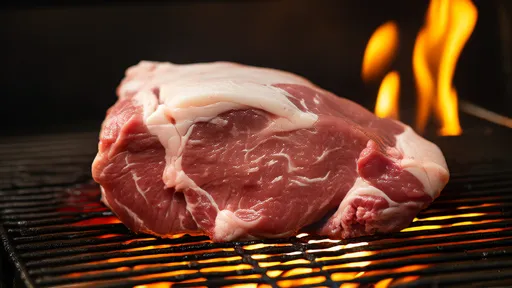
The layered structure of pork belly, with its alternating bands of muscle and fat, presents a fascinating case study in thermal behavior during cooking. Unlike homogeneous cuts of meat, pork belly's distinct strata respond differently to heat due to variations in fat melting points and connective tissue composition. This interplay creates the textural alchemy that transforms tough raw tissue into unctuous, fork-tender delicacies across global cuisines.
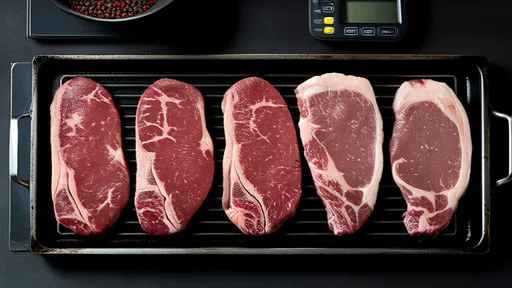
At room temperature, the fat deposits in raw pork belly appear solid and opaque, with intramuscular fat (marbling) distributed through lean tissue while subcutaneous fat forms thick outer layers. These adipose tissues contain different fatty acid profiles - saturated fats with higher melting points dominate the firmer backfat, while more unsaturated fats in marbling begin softening at lower temperatures. This biochemical diversity establishes the foundation for pork belly's phase transitions during heating.
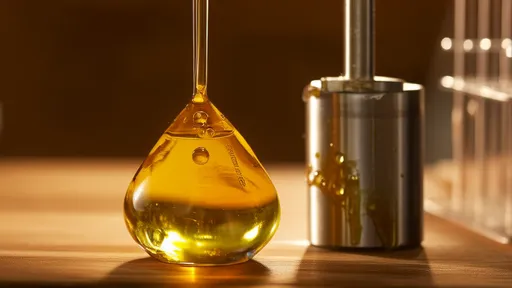
The first thermal threshold occurs around 30-40°C, when unsaturated fats in the marbling begin transitioning from solid to liquid states. This initial fat rendering subtly lubricates muscle fibers, preventing the lean tissue from becoming excessively dry during subsequent cooking stages. Meanwhile, the thicker subcutaneous fat remains largely intact, its higher saturated fat content requiring more energy input to initiate melting.
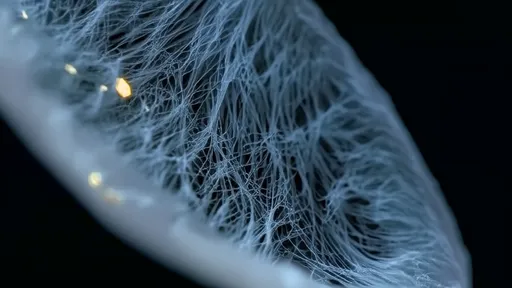
As temperature climbs to 50-60°C, collagen in connective tissue sheets between muscle layers starts hydrating and swelling. The still-intact backfat now acts as an insulating blanket, slowing heat penetration to deeper layers while surface temperatures rise. This thermal lag creates complex gradients where rendered fat from upper layers begins permeating into deeper muscle tissue, carrying dissolved flavors and contributing to overall succulence.
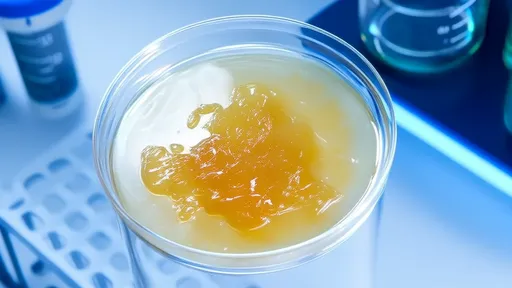
The most dramatic transformation occurs between 70-90°C, when tough collagen undergoes hydrolysis into gelatin. At these temperatures, the remaining subcutaneous fat finally begins serious rendering, with liquid fat draining through microscopic channels in the now-gelatinous connective tissue. The timing of this dual process proves critical - sufficient heat exposure ensures proper fat rendering and collagen breakdown, while excessive temperatures or durations can lead to complete fat loss and structural collapse.
Different cooking methods manipulate these thermal transitions through varying heat transfer mechanisms. Slow braising maintains temperatures just below water's boiling point, allowing gradual fat rendering and collagen conversion without forcing moisture evaporation. In contrast, high-heat roasting creates crisp crackling as surface fat renders rapidly while intense heat drives Maillard reactions in the lean tissue beneath.
The final texture of cooked pork belly directly reflects how these thermal processes were managed. Perfectly executed, the meat achieves a harmonious balance - gelatin-rich connective tissue providing unctuous mouthfeel, adequately rendered fat offering flavor without greasiness, and surviving muscle fibers retaining enough structure for pleasant bite resistance. This delicate equilibrium explains why pork belly appears in such diverse global preparations, from Chinese dongpo pork to Italian porchetta, each culture developing techniques to optimize the cut's thermal behavior.
Modern culinary science has further refined our understanding of these processes. Precision cooking using sous vide allows exact temperature control to target specific fat melting points and collagen conversion stages. Some avant-garde chefs even employ multi-stage cooking - first hydrating connective tissue at 60°C, then rendering fat at 75°C, finally crisping the surface with a blowtorch - demonstrating how mastery of pork belly's thermal properties enables unprecedented texture engineering.
Beyond professional kitchens, home cooks can apply these principles through simple techniques. Scoring the fat cap creates more surface area for efficient rendering. Starting with a cold pan allows gradual temperature increase for even fat melting. Resting cooked pork belly permits redistributed fats to slightly re-solidify, preventing excessive oiliness. These practical applications all stem from understanding the fundamental thermal behaviors of the cut's layered architecture.
The story of pork belly's transformation under heat ultimately mirrors broader culinary truths - that exceptional cooking stems from respecting an ingredient's physical properties, that apparent flaws (like abundant fat) become virtues through proper technique, and that the most rewarding dishes often emerge from patiently guiding natural processes rather than forcing arbitrary outcomes. As both ancient tradition and modern innovation demonstrate, mastering these thermal dances between muscle and fat continues inspiring chefs worldwide.
By /Jul 24, 2025
By /Jul 24, 2025
By /Jul 24, 2025
By /Jul 24, 2025
By /Jul 24, 2025
By /Jul 24, 2025
By /Jul 24, 2025
By /Jul 24, 2025
By /Jul 24, 2025
By /Jul 24, 2025
By /Jul 24, 2025
By /Jul 24, 2025
By /Jul 24, 2025
By /Jul 24, 2025
By /Jul 24, 2025
By /Jul 24, 2025
By /Jul 24, 2025
By /Jul 24, 2025
By /Jul 24, 2025
By /Jul 24, 2025