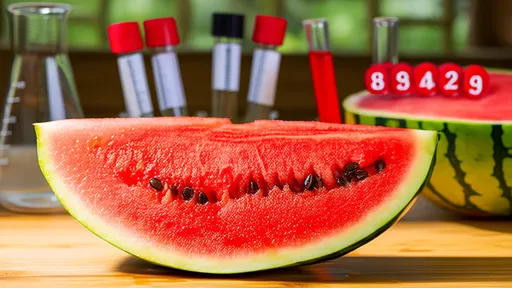
The watermelon, a quintessential summer fruit, is beloved not just for its refreshing sweetness but also for its high water content. Across different varieties, the juice density and hydration properties vary significantly, influenced by genetics, growing conditions, and ripeness. This article delves into the fascinating world of watermelon hydration, comparing juice density among popular cultivars and exploring what makes each unique.
Understanding Watermelon Hydration
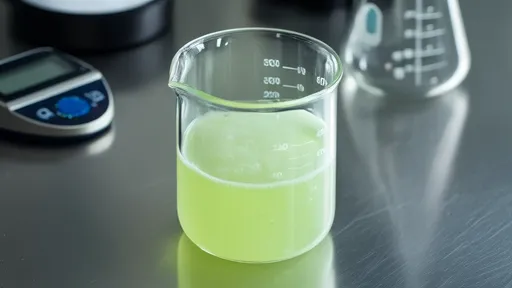
Watermelons are approximately 90-92% water by weight, but this figure can fluctuate depending on the variety. The term "juice density" refers to the concentration of soluble solids, primarily sugars, within the liquid content. While all watermelons are hydrating, some varieties yield a denser, more flavorful juice due to higher sugar content or differences in cellular structure. Farmers and breeders often select for these traits to cater to consumer preferences, whether for ultra-sweet dessert melons or lighter, thirst-quenching options.
For instance, the classic Crimson Sweet watermelon is renowned for its balance of hydration and sweetness, with a juice density that makes it ideal for both eating fresh and juicing. In contrast, the Yellow Doll variety, with its pale yellow flesh, tends to have a slightly lower juice density, resulting in a milder, more delicate flavor profile. These differences aren’t just academic—they impact everything from culinary uses to market pricing.
Factors Affecting Juice Density
Several factors contribute to the juice density of watermelons. Climate plays a pivotal role; melons grown in hotter, sunnier regions often develop higher sugar concentrations, leading to denser juice. Soil quality and irrigation practices also matter—overwatering can dilute the fruit’s sugars, while controlled stress (like reduced watering before harvest) can intensify flavor and density. Additionally, the stage of ripeness at harvest is critical. A watermelon picked too early may have higher water content but lack the developed sugars that contribute to a rich, dense juice.
Genetic differences between varieties further complicate the picture. Seedless watermelons, for example, often have a slightly higher juice density than seeded ones due to selective breeding for texture and sweetness. Meanwhile, heirloom varieties like the Moon and Stars watermelon may prioritize unique visual traits over uniform juice density, resulting in more variability from fruit to fruit.
Popular Varieties and Their Juice Profiles
Among commercial varieties, the Sugar Baby watermelon stands out for its exceptionally high juice density. This smaller, round melon packs a sugary punch, making it a favorite for desserts and sweet beverages. On the other end of the spectrum, the Black Diamond watermelon, with its deep red flesh and thick rind, offers a juicier, slightly less dense experience—perfect for slicing and eating on a hot day.
Less common varieties like the Orangeglo (with its vibrant orange flesh) or the Densuke (a rare Japanese black-skinned melon) showcase how juice density can vary wildly even within the same species. The Orangeglo tends toward a lighter, almost tropical juice profile, while the Densuke is prized for its intense sweetness and thick, almost syrupy juice—qualities that command premium prices in specialty markets.
Practical Implications for Consumers and Growers
For consumers, understanding juice density can guide purchasing decisions. Those seeking hydration might opt for varieties with lower density and higher water content, while others desiring intense flavor may prefer denser, sweeter options. Growers, meanwhile, must balance juice density with other factors like yield, disease resistance, and shelf life when selecting cultivars to plant.
Interestingly, juice density also affects how watermelons perform in processed products. High-density varieties are often preferred for commercial juice production, as they require less reduction to achieve a flavorful concentrate. Conversely, melons with lower juice density might be better suited for fresh-cut applications where a lighter, more refreshing taste is desired.
As breeding programs continue to develop new watermelon varieties, juice density remains a key parameter—one that bridges agricultural science, culinary arts, and consumer pleasure. The next time you bite into a slice of watermelon, consider not just its thirst-quenching properties, but the complex interplay of genetics and environment that shaped its unique juice profile.
By /Jul 24, 2025
By /Jul 24, 2025
By /Jul 24, 2025
By /Jul 24, 2025
By /Jul 24, 2025
By /Jul 24, 2025
By /Jul 24, 2025
By /Jul 24, 2025
By /Jul 24, 2025
By /Jul 24, 2025
By /Jul 24, 2025
By /Jul 24, 2025
By /Jul 24, 2025
By /Jul 24, 2025
By /Jul 24, 2025
By /Jul 24, 2025
By /Jul 24, 2025
By /Jul 24, 2025
By /Jul 24, 2025
By /Jul 24, 2025