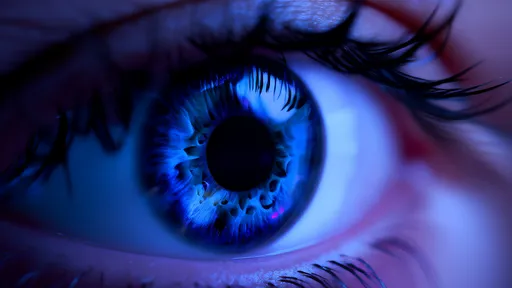
The advent of smart contact lenses for intraocular pressure (IOP) monitoring represents a groundbreaking leap in ophthalmology and wearable health technology. These lenses, embedded with microsensors and wireless communication capabilities, offer a continuous and non-invasive method to track eye pressure, a critical metric for managing glaucoma and other ocular conditions. Unlike traditional methods that require periodic clinic visits, smart lenses provide real-time data, empowering both patients and physicians with actionable insights.
How Smart Contact Lenses Work
The core technology behind these lenses involves ultra-thin, flexible sensors that measure IOP with remarkable precision. The sensors are often based on strain gauges or microelectromechanical systems (MEMS) that detect minute changes in corneal curvature caused by fluctuations in eye pressure. Data is transmitted wirelessly to a paired device, such as a smartphone or a dedicated receiver, where it can be analyzed and stored. Some advanced models even incorporate feedback mechanisms to alert users when their IOP reaches dangerous levels.
Clinical Significance and Patient Benefits
For glaucoma patients, maintaining optimal intraocular pressure is essential to prevent optic nerve damage and vision loss. Traditional tonometry methods, while effective, only provide snapshots of IOP at specific moments. Smart lenses, on the other hand, capture diurnal variations and pressure spikes that might otherwise go unnoticed. This continuous monitoring can lead to earlier interventions and more personalized treatment plans. Additionally, the convenience of at-home monitoring reduces the burden of frequent hospital visits, particularly for elderly or mobility-impaired individuals.
Challenges and Future Directions
Despite their promise, smart contact lenses for IOP monitoring face several hurdles. Battery life remains a concern, as the lenses must balance power consumption with functionality. Biocompatibility and long-term wearability are also critical factors, as the lenses must avoid causing irritation or discomfort over extended periods. Researchers are exploring energy-harvesting solutions, such as solar cells or motion-based charging, to address power limitations. Further refinements in sensor accuracy and data analytics will likely enhance their clinical utility in the coming years.
Market Landscape and Industry Players
The market for smart contact lenses is still in its nascent stages but is rapidly evolving. Companies like Google’s Verily and Swiss-based Sensimed have pioneered early iterations of these devices, with others racing to develop more advanced models. Collaborations between tech giants and medical device manufacturers are accelerating innovation, though regulatory approvals and reimbursement policies will play a pivotal role in widespread adoption. As the technology matures, cost reduction and scalability will determine its accessibility to a broader patient population.
Ethical and Privacy Considerations
With any health-monitoring wearable, data privacy and security are paramount. Smart contact lenses collect sensitive medical information, raising questions about who has access to this data and how it is protected. Ensuring compliance with regulations like HIPAA (in the U.S.) or GDPR (in Europe) is essential. Patients must also be educated on the proper use of these devices to prevent misuse or over-reliance on self-monitoring without professional oversight.
The Road Ahead
Smart contact lenses for IOP monitoring are poised to revolutionize ocular health management. As technology advances, these devices may integrate additional features, such as drug delivery systems or augmented reality displays, further expanding their applications. While challenges remain, the potential to improve quality of life for millions of glaucoma patients makes this innovation a compelling area of focus for researchers, clinicians, and investors alike.
By /Jul 21, 2025

By /Jul 21, 2025

By /Jul 21, 2025
By /Jul 21, 2025

By /Jul 21, 2025

By /Jul 21, 2025
By /Jul 21, 2025
By /Jul 21, 2025

By /Jul 21, 2025
By /Jul 21, 2025

By /Jul 21, 2025
By /Jul 21, 2025
By /Jul 21, 2025
By /Jul 21, 2025

By /Jul 21, 2025
By /Jul 21, 2025
By /Jul 21, 2025
By /Jul 21, 2025
By /Jul 21, 2025

By /Jul 21, 2025