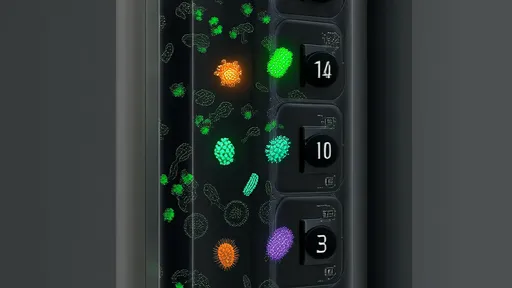
In the age of heightened hygiene awareness, the humble elevator button has emerged as an unlikely villain in microbial transmission. Recent studies have revealed that these frequently touched surfaces serve as hotspots for pathogen exchange, with some strains surviving for hours or even days. The combination of high human traffic and infrequent cleaning creates a perfect storm for microbial colonization. Researchers are now mapping the complex journey of microbes from fingertips to buttons and back again, revealing surprising patterns in how we share more than just space in crowded elevators.
The physics of button-pushing plays a crucial role in microbial transfer. When a finger makes contact with the button surface, the pressure creates microscopic deformations that facilitate pathogen exchange. Studies using fluorescent tracers have shown that a single press can transfer up to 30% of surface bacteria between finger and button. The transfer efficiency varies based on multiple factors including the pressure applied, skin moisture levels, and the button's material composition. Metal buttons, often assumed to be more hygienic due to their antimicrobial properties, actually show comparable transfer rates to plastic ones in real-world conditions.
Microbial communities on elevator buttons follow distinct diurnal patterns. Early morning samples tend to show residential microbes - skin flora from building occupants that accumulate overnight. As the day progresses, the diversity explodes with commuter-borne pathogens, food residues, and environmental bacteria joining the mix. Genomic sequencing has identified everything from harmless skin commensals to antibiotic-resistant strains in these microscopic ecosystems. The vertical transportation provided by elevators creates unique mixing patterns not seen in other high-touch surfaces, allowing pathogens from different building floors to interact.
Material science offers some promising solutions to this invisible threat. Copper-infused buttons show significant antimicrobial activity, reducing viable pathogens by up to 90% within two hours of contact. However, the patina that forms on copper surfaces over time can diminish this effect. New nano-coated polymers maintain their antimicrobial properties longer while being more cost-effective to produce. Some innovative designs incorporate slight surface vibrations or micro-textures that mechanically disrupt microbial adhesion without affecting user experience. These technological advances must balance efficacy with durability, as the average elevator button withstands thousands of presses annually.
The behavioral aspect of button interaction presents another layer of complexity. Motion-activated buttons or smartphone-controlled systems eliminate physical contact entirely, but adoption remains limited due to cost and reliability concerns. Public education campaigns about proper hand hygiene show mixed results, as people tend to underestimate their risk of contamination from brief contacts. Interestingly, the placement of hand sanitizer stations relative to elevators significantly affects transmission rates - units positioned where users naturally pause while waiting prove most effective at intercepting pathogens before they reach the buttons.
Climate control systems in elevators create unique microenvironments that influence microbial survival. The confined space and frequent air circulation can either promote or inhibit pathogen persistence depending on humidity levels and filtration efficiency. Some modern elevator designs incorporate UV-C lighting that cycles between passengers, providing continuous disinfection without human intervention. These systems must be carefully calibrated to ensure safety while maintaining effectiveness against the broad spectrum of microbes found on buttons.
Future directions in elevator hygiene may involve smart surfaces that change color when contaminated or self-cleaning mechanisms activated between uses. The integration of antimicrobial materials with touchless technology could provide layered protection against pathogen transmission. As urban density increases and shared spaces become more crowded, understanding and mitigating microbial spread through high-touch surfaces like elevator buttons will remain an important public health consideration. The solutions will likely require a combination of technological innovation, architectural design, and behavioral science to create truly effective interventions.
By /Jul 21, 2025

By /Jul 21, 2025

By /Jul 21, 2025
By /Jul 21, 2025

By /Jul 21, 2025

By /Jul 21, 2025
By /Jul 21, 2025

By /Jul 21, 2025

By /Jul 21, 2025
By /Jul 21, 2025

By /Jul 21, 2025

By /Jul 21, 2025
By /Jul 21, 2025

By /Jul 21, 2025
By /Jul 21, 2025
By /Jul 21, 2025
By /Jul 21, 2025
By /Jul 21, 2025
By /Jul 21, 2025

By /Jul 21, 2025